
Land Rover Power Steering Belts

AC Belt

Serpentine Belt

Serpentine Belt

Alternator Belt


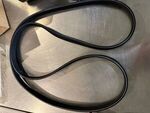
Serpentine Belt

Serpentine Belt

Serpentine Belt

Serpentine Belt
No results found for "AIR Belt -buckle -tongue -seat -weather, Power Steering Belts -buckle -tongue -seat -weather, Belt -buckle -tongue -seat -weather, Alternator Belt -buckle -tongue -seat -weather, AC Belt -buckle -tongue -seat -weather, Serpentine Belt -buckle -tongue -seat -weather, Power Steering Pump Bolt -buckle -tongue -seat -weather, Power Steering Oil Cooler -buckle -tongue -seat -weather, Power Steering Pump Front Seal -buckle -tongue -seat -weather, Power Steering Return Hose -buckle -tongue -seat -weather". Here are some helpful search tips:
- Search by a part name. Example: water pump.
- Be less specific. Example: brake instead of ceramic brake.
- Remove information such as make, year or model.
- Can't find the part you are looking for? Contact us and we'll find it for you!
A Beginner's Guide to Power Steering Systems
Power steering systems reduce steering effort using hydraulic pressure or electric assist. In hydraulic setups, a power steering belt drives the pump, allowing fluid to move through the system and assist the wheels. If this belt fails, steering becomes stiff, noisy, or unresponsive—especially at low speeds or tight turns.
How Does Power Steering Work in Your Land Rover?
In the Range Rover Sport, the power steering system relies on a belt to spin the pump and maintain pressure. When the belt wears or slips, steering assistance weakens, making driving less comfortable and potentially unsafe.
Essential Power Steering Parts
These components play key roles in keeping your steering system functional:
- Power steering belt – Transfers motion from the crankshaft to the pump.
- Power steering pump – Generates hydraulic pressure.
- Fluid reservoir – Stores and cycles fluid through the system.
- Steering rack – Converts wheel turns into lateral motion.
- Pressure hoses – Carry fluid between components.
Early Signs of Power Steering Belt Problems
1. Squealing Noises
Indicates belt slippage during startup or tight turns.
2. Heavy Steering Feel
Loose belts can’t maintain proper pump pressure.
3. Cracked or Frayed Belt
Visual wear signals an aging or stressed belt.
4. Fluid Leaks
Can result from belt strain damaging hoses or pump seals.
5. Burning Smell
Friction from a slipping belt overheats and scorches the rubber.
Check supporting parts like motor mounts to ensure complete system stability. Contact us today to get OEM Land Rover steering components at wholesale prices.